
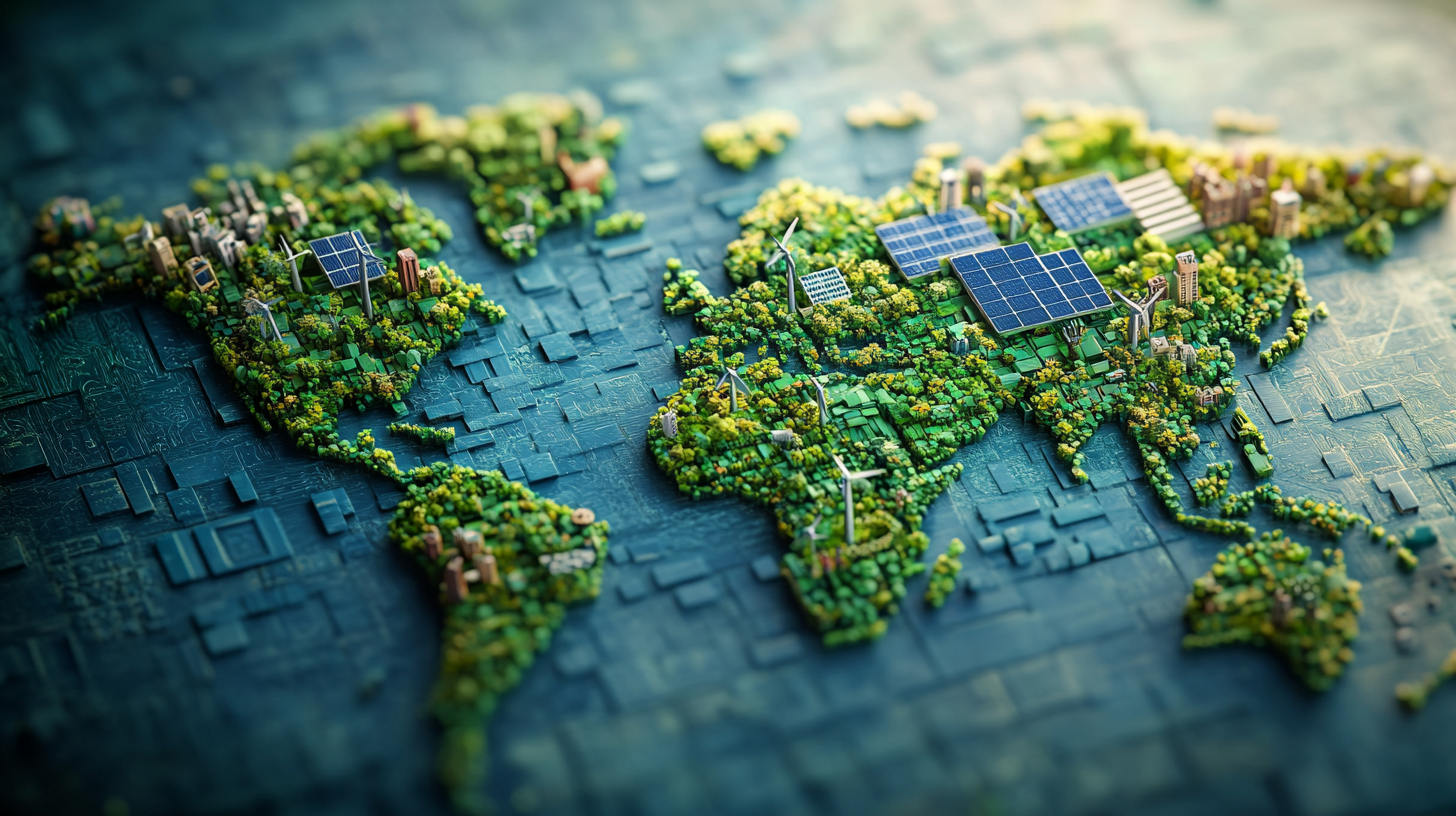
In Not the End of the World, Hannah Ritchie confronts the pervasive sense of environmental doom that has taken hold of modern discourse. With a growing narrative of climate catastrophe, ecological collapse, and a planet on the brink, many feel a sense of hopelessness about the future. Yet, Ritchie challenges this prevailing narrative, urging readers to step back, reevaluate the facts, and embrace a more optimistic outlook. Drawing on a decade of research, data analysis, and real-world examples, she argues that while the world faces significant environmental challenges, the situation is far from apocalyptic. In fact, Ritchie believes we are at a unique moment in history where humanity can still turn the tide, creating a sustainable future for both current and future generations. Through a detailed exploration of the most pressing environmental issues—air pollution, climate change, deforestation, food production, biodiversity loss, ocean plastics, and overfishing—Ritchie offers a compelling argument for urgent optimism, showing that solutions are not only possible but already unfolding.
Chapter 1: Sustainability – A Tale of Two Halves
Hannah Ritchie’s Not the End of the World opens with a profound exploration of sustainability, and more specifically, the tension between the two aspects of the concept: meeting the needs of the present without jeopardizing the future. Sustainability, as defined by the United Nations in 1987, is about ensuring that current generations have their needs met without compromising the ability of future generations to meet theirs. Ritchie begins by confronting the uncomfortable truth that humanity has never truly been sustainable, pointing out that the quest for sustainability is uncharted territory.
Throughout history, the human pursuit of progress has often come at a cost to the environment. From the agricultural revolution to the rise of industrialization, human activities have had severe ecological impacts, from deforestation to overfishing. Ritchie emphasizes that the balance between human well-being and environmental preservation has never been truly achieved. However, she argues that, for the first time, humanity has the potential to solve this dilemma. Modern technologies, new economic models, and global cooperation offer an unprecedented opportunity to meet the needs of today’s population while safeguarding the environment for future generations. This chapter sets the tone for the book’s overarching theme: that while sustainability is a daunting challenge, it is far from impossible, and we are in the best position to achieve it.
Chapter 2: Air Pollution – Breathing Clean Air
The second chapter of Ritchie’s book shifts the focus to air pollution, a pervasive global issue that often feels insurmountable due to its complexity and ubiquity. Air pollution, the silent killer that affects billions of people worldwide, has long been associated with industrialization and urbanization. Ritchie traces the history of air pollution, showing that it is not a new problem at all. Even ancient civilizations like Rome struggled with the health impacts of air pollution. Roman philosopher Seneca lamented the oppressive air quality in his city, noting how it affected his health when he left the city’s polluted atmosphere.
Ritchie’s examination of modern air pollution is exemplified through the city of Beijing, which was once the epicenter of global pollution. By the time Beijing hosted the 2008 Summer Olympics, its air quality was a major concern, with smog and particulate matter threatening the health of its citizens and athletes alike. In the years following the Olympics, however, Beijing’s air quality improved dramatically. This improvement, driven by strict government regulations, public demand for cleaner air, and technological advancements, serves as an inspiring case study. The Chinese government’s «war on pollution,» which involved shutting down coal plants, banning old vehicles, and transitioning to cleaner energy sources, resulted in a 55% reduction in air pollution between 2013 and 2020. This transformation, which Ritchie details, proves that significant improvements in air quality are not only possible but achievable, providing hope for other cities grappling with similar issues.
Chapter 3: Climate Change – Turning Down the Thermostat
In chapter three, Ritchie delves into one of the most pressing environmental challenges of our time: climate change. Driven by human activities such as burning fossil fuels and deforestation, climate change is causing global temperatures to rise, resulting in more frequent and severe natural disasters, rising sea levels, and shifts in ecosystems. For years, this issue has dominated global discourse, with scientists warning of the catastrophic consequences of inaction.
However, Ritchie challenges the common narrative of climate change as an inevitable apocalypse. She argues that while the situation is dire, it is far from hopeless. Rather than succumbing to apocalyptic doom, Ritchie advocates for a more nuanced, optimistic approach. She encourages readers to look at the progress made in renewable energy adoption, the reduction in carbon emissions, and the growing global consensus on the importance of tackling climate change. Ritchie emphasizes that while it is unlikely that the world will meet the 1.5°C warming target, every effort to curb emissions and reduce carbon footprints will make a significant difference. By adopting a mindset of «urgent optimism,» we can continue to make strides toward mitigating climate change and avoid the most catastrophic scenarios.
Chapter 4: Deforestation – Seeing the Wood for the Trees
Deforestation takes center stage in the fourth chapter, where Ritchie explores the environmental and social consequences of forest loss. Forests are vital to the planet’s health, serving as carbon sinks that absorb vast amounts of CO2, regulate weather patterns, and provide habitats for countless species. The destruction of forests, particularly tropical rainforests, has been a significant contributor to climate change and biodiversity loss.
Ritchie takes a deep dive into the historical and contemporary causes of deforestation, focusing on agriculture and the expansion of farmland. She highlights how large-scale deforestation has been driven by the need for timber, land for crops like soy and palm oil, and space for livestock farming. While the problem remains severe, Ritchie points to the success stories of forest conservation and reforestation efforts in recent decades. Many countries have implemented programs to protect forests and reverse the damage caused by past deforestation. For example, the increase in global forest cover in recent years, due in part to stricter regulations and better land management practices, offers hope that deforestation can be curbed. Ritchie stresses that if the global community continues to make this issue a priority, we could see the end of large-scale deforestation within our lifetimes.
Chapter 5: Food – How Not to Eat the Planet
Food production is the focus of the fifth chapter, and Ritchie unpacks the tremendous environmental costs associated with feeding the world’s growing population. Agriculture is responsible for a significant share of global greenhouse gas emissions, land use, and water consumption, and it is a primary driver of deforestation, biodiversity loss, and soil degradation. The global food system, as it stands, is unsustainable.
Ritchie acknowledges the progress made in reducing hunger and improving food security, but she argues that the current trajectory of food production is not sustainable. The chapter advocates for smarter agricultural practices, such as regenerative farming, and for a shift toward more plant-based diets. By doing so, humanity can reduce the environmental footprint of food production and ensure that the planet can sustainably feed a growing global population. Ritchie emphasizes that while we already produce enough food to feed the world, inefficiencies, food waste, and unsustainable farming practices mean that millions still suffer from hunger and malnutrition. Her call to action centers on adopting sustainable, efficient food production and consumption systems that can meet the needs of both people and the planet.
Chapter 6: Biodiversity Loss – Protecting the World’s Wildlife
The sixth chapter is a sobering examination of biodiversity loss, with Ritchie emphasizing that the current rate of species extinction is higher than at any point in human history. Habitat destruction, climate change, pollution, and overexploitation are all driving species to extinction at an alarming rate. Ritchie warns that we are in the midst of the Earth’s sixth mass extinction, with potentially irreversible consequences for the planet’s ecosystems.
Despite the grim outlook, Ritchie provides a hopeful message. She underscores that humanity has the power to protect biodiversity through conservation efforts, sustainable land management, and addressing the root causes of biodiversity loss. Ritchie explores the efforts of organizations and governments working to protect wildlife and restore ecosystems, from creating protected areas to tackling the illegal wildlife trade. She also highlights the importance of preserving biodiversity for human well-being, as ecosystems provide essential services like clean air, water, and food. This chapter emphasizes the urgency of protecting the world’s wildlife and offers pathways for reversing biodiversity loss.
Chapter 7: Ocean Plastics – Drowning in Waste
Plastic pollution, particularly in the oceans, is the subject of chapter seven, where Ritchie delves into the widespread environmental disaster caused by single-use plastics. Every year, millions of tons of plastic waste end up in the oceans, where it harms marine life and pollutes ecosystems. The impact of plastic on marine animals, from entanglement to ingestion, is devastating, and Ritchie paints a bleak picture of the scale of the problem.
However, Ritchie does not view the issue as insurmountable. She points to the efforts already underway to reduce plastic pollution, such as bans on single-use plastics, innovations in biodegradable materials, and advances in waste management and recycling. Countries like Canada and the European Union have made significant strides in addressing plastic waste, and there are emerging technologies to clean up ocean plastics. While the road to solving the problem is long, Ritchie remains optimistic that the tide can be turned, particularly if there is a concerted global effort to reduce plastic use and improve waste management systems.
Chapter 8: Overfishing – Pillaging the Oceans
In the final chapter, Ritchie addresses the problem of overfishing, which threatens the health of the oceans and the livelihoods of millions of people who rely on fish for food. Overfishing has led to the depletion of fish stocks, threatening marine ecosystems and food security. Ritchie highlights the alarming statistics surrounding overfishing, including the decline of iconic species like tuna and whales, and the collapse of local fisheries in some regions.
Despite the challenges, Ritchie offers a hopeful perspective, emphasizing that many fish populations have begun to recover thanks to the implementation of sustainable fishing practices and stricter regulations. She shares success stories of fisheries management, such as the restoration of cod stocks in the North Atlantic, and discusses the importance of sustainable seafood consumption. Ritchie argues that with better regulation, consumer awareness, and international cooperation, overfishing can be brought under control, and marine ecosystems can be restored.
Conclusion
In the conclusion of Not the End of the World, Ritchie brings together the insights from each chapter and reaffirms her central message: while humanity faces unprecedented environmental challenges, there is hope. Rather than succumbing to despair, Ritchie calls for a shift in mindset—from doomsday thinking to “