
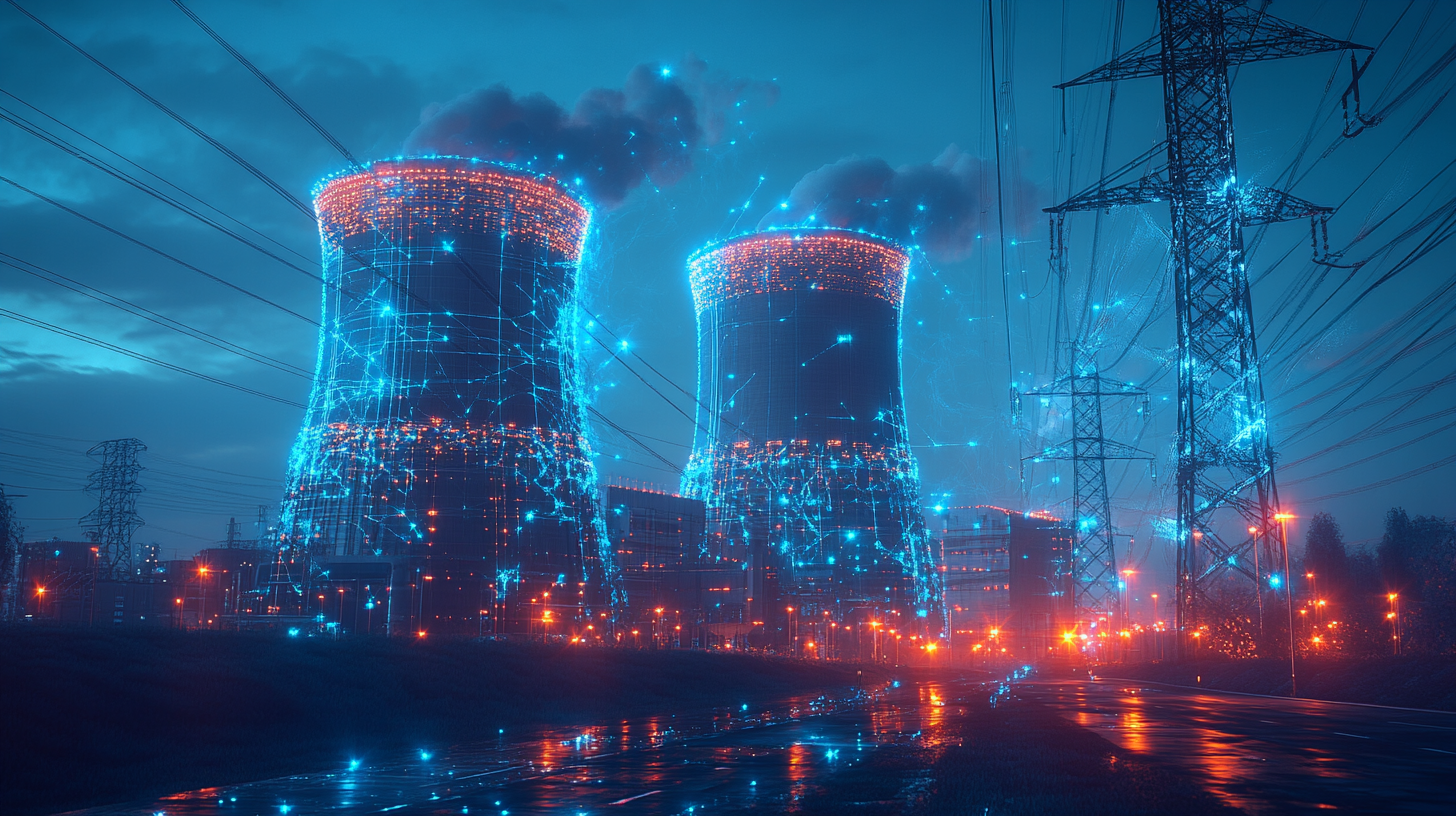
Vaclav Smil begins Energy and Civilization: A History with a compelling argument that energy is the foundation upon which all human progress rests. From the simplest biological processes that sustain life to the most intricate mechanisms of modern industrial economies, energy is the thread that ties together the story of human civilization. For Smil, energy is not just a physical or technological concept but a force that shapes cultures, economies, and the very structure of societies.
Energy as the Cornerstone of Existence
Smil underscores that every activity, whether at the individual, societal, or global level, is contingent on energy acquisition and consumption. For individuals, energy sustains life through food, which provides the caloric power to move, think, and reproduce. On a broader scale, communities and civilizations have developed systems to harness energy—whether from sunlight, biomass, fossil fuels, or nuclear reactions—to fuel their growth and survival. The greater the energy available to a society, the more complex and capable it becomes.
A Historical Perspective on Energy
To comprehend the present and plan for the future, Smil argues, we must first understand the past. Energy is a throughline that connects the milestones of human history: the mastery of fire, the advent of agriculture, the Industrial Revolution, and the electrification of the modern world. Each epoch in human development has been marked by an energy transformation that enabled new possibilities but also introduced new constraints and challenges.
By framing energy in historical terms, Smil provides readers with a lens to analyze how humanity has solved past energy problems and adapted to new limitations. This perspective is crucial, he contends, for navigating today’s energy challenges, such as climate change, resource depletion, and the transition to renewable energy systems.
The Universality of Energy Dependency
The introduction broadens the reader’s understanding of energy as a universal requirement—not just for human societies but for all life on Earth. Plants, animals, and ecosystems all depend on the flow of energy, primarily from the sun, to maintain their functions. Human civilization, however, has developed tools and technologies that allow us to go beyond the natural energy flows of the biosphere. From fire and agriculture to industrial machines and digital systems, humans have learned to manipulate energy in ways that no other species has.
Energy and the Complexity of Civilization
Smil posits that the level of energy a society can harness directly correlates with its complexity. Small-scale societies, such as hunter-gatherer groups, operated within strict energy constraints, relying solely on muscle power and the resources of their immediate environment. As societies developed agriculture, domesticated animals, and eventually industrial technologies, they unlocked vast new reserves of energy, enabling population growth, urbanization, and technological innovation.
However, this complexity comes at a cost. The extraction, transformation, and consumption of energy have introduced significant challenges, from environmental degradation to political and economic inequalities. The introduction sets the stage for a deeper exploration of these themes, showing how humanity’s pursuit of energy has always been a double-edged sword.
An Urgent Inquiry
Finally, Smil uses the introduction to highlight the urgency of understanding energy’s role in our world. Today, the stakes are higher than ever: climate change, geopolitical tensions over energy resources, and the looming limitations of fossil fuel reserves demand a reevaluation of our energy systems. Smil argues that any meaningful solution to these challenges must be grounded in a deep, historically informed understanding of how energy systems evolve and interact with human societies.
By establishing energy as the central driver of human civilization, the introduction not only provides a foundation for the book but also challenges readers to consider how their own lives are shaped by energy flows. It is both a call to reflection and an invitation to delve into one of the most critical and fascinating stories of humanity’s journey.
Índice de contenidos
Chapter 1: Energy in Nature and Prehistoric Societies: The First Steps in Humanity’s Energy Journey
Vaclav Smil’s exploration of humanity’s energy story begins with its roots in nature and the humble beginnings of prehistoric societies. Energy, he argues, is the invisible force that shapes all life on Earth, dictating the survival of organisms and the ecosystems they inhabit. For early humans, energy was not something they consciously sought to manipulate but rather a fundamental necessity, woven into the fabric of their existence. This chapter examines how these early societies navigated the natural energy flows around them and began to innovate ways to harness energy more effectively, setting the stage for the monumental transformations that followed.
The Biological Foundations of Energy
Smil first grounds the discussion in the biological realities of energy. Like all living beings, humans require energy to sustain life. This energy, derived from the food we consume, powers every bodily function—from the beating of our hearts to the firing of neurons in our brains. For early humans, acquiring enough energy to survive was a daily challenge. Their caloric needs were modest compared to modern standards, but securing these calories demanded constant effort and adaptability. They depended on the energy-rich bounty of their environment—plants, seeds, nuts, and the meat of animals—to fuel their bodies and maintain the delicate balance of survival.
Hunter-Gatherer Societies: A Life of Energy Constraints
The story of energy in prehistoric societies is one of limitation. Early humans lived as hunter-gatherers, relying on foraging and hunting to meet their energy needs. These methods were inherently constrained by the availability of resources in their immediate environment. Mobility was crucial; they moved with the seasons and the migration of game, tethered to the natural rhythms of the ecosystems they inhabited. The size of these groups was equally limited by energy availability—small bands of individuals could more effectively gather and share the food needed to sustain their lives, while larger groups risked overtaxing local resources.
This lifestyle imposed significant restrictions. Time and energy were spent in constant pursuit of sustenance, leaving little room for specialization or the accumulation of surplus. Smil paints a vivid picture of these societies as resilient yet vulnerable, deeply dependent on the flow of energy through their surroundings. Their survival hinged on their ability to adapt to changing climates, landscapes, and ecological pressures.
The Mastery of Fire: Humanity’s First Energy Breakthrough
The mastery of fire marked a revolutionary turning point in humanity’s energy story. Smil describes fire as a transformative tool that fundamentally altered the relationship between humans and their environment. By learning to harness and control fire, early humans unlocked new energy pathways that reshaped their way of life.
Fire extended the range of energy humans could extract from their surroundings. Cooking food not only made it more digestible but also increased its caloric yield, allowing humans to extract more energy from the same resources. This innovation had profound implications for human physiology and social organization. Cooked food required less chewing and digestion, freeing energy for other activities and possibly contributing to the development of larger brains.
Beyond its impact on diet, fire enabled humans to manipulate their environments in unprecedented ways. It provided warmth in cold climates, allowing early humans to expand into new territories previously uninhabitable. Fire also served as a protective barrier against predators and facilitated the clearing of land, opening space for settlement and hunting. Smil emphasizes that this control over fire was not just a technological leap but a cognitive one, requiring foresight, coordination, and skill.
Energy as a Driver of Innovation
By the end of this chapter, Smil has firmly established the centrality of energy even in humanity’s earliest stages. Prehistoric societies may have been constrained by the limits of their environment, but their ingenuity in using fire foreshadowed the more complex energy systems to come. Fire marked the beginning of humanity’s ability to expand its energy base, setting a precedent for later developments that would multiply the energy available to societies.
Smil’s narrative brings to life the delicate interplay between nature’s energy flows and humanity’s early attempts to harness them. The hunter-gatherer era, despite its simplicity, laid the foundation for everything that followed. It was a time when human survival was deeply intertwined with the rhythms of the natural world, and the first small steps toward energy mastery were taken—steps that would eventually propel humanity toward the vast energy landscapes of the agricultural and industrial revolutions.
Chapter 2: The Agricultural Revolution: Humanity’s First Energy Transformation
In the second chapter of Energy and Civilization: A History, Vaclav Smil turns his attention to one of the most transformative periods in human history: the Agricultural Revolution. It was during this era that humanity shifted from a life of mobility and subsistence to one rooted in settled communities and the deliberate manipulation of nature’s energy flows. This epochal change, which began roughly 10,000 years ago, marked the emergence of a new relationship between humans and their environment, one that would set the stage for the rise of complex societies, cities, and civilizations.
At its core, agriculture was an energy revolution. For the first time, humans devised ways to capture and store energy on a large scale by cultivating crops and domesticating animals. Smil argues that this shift was not merely a technological innovation but a profound restructuring of how humans interacted with the natural world.
The Energy Logic of Agriculture
The key to understanding agriculture’s transformative power lies in its ability to concentrate and store energy. Before agriculture, humans relied on the dispersed and unpredictable energy flows of wild ecosystems. Hunting and gathering provided a precarious existence, with no guarantees of a stable food supply. Agriculture, by contrast, allowed humans to cultivate specific plants and animals, ensuring a more reliable source of energy over time. Fields of wheat or rice represented concentrated solar energy, captured through photosynthesis and rendered accessible through human labor.
Smil vividly describes the monumental implications of this shift. With agriculture, humans could generate energy surpluses—more food than was immediately required for survival. These surpluses freed some members of society from the constant need to forage or hunt, enabling the emergence of specialization. Craftspeople, leaders, and warriors could now dedicate their time to pursuits other than food production, laying the groundwork for the division of labor and the growth of organized societies.
Animal Power: Multiplying Human Energy
The domestication of animals was another pivotal aspect of the Agricultural Revolution. Animals such as oxen, horses, and water buffalo became extensions of human labor, vastly increasing the energy available for tasks like plowing fields, transporting goods, and grinding grain. Smil highlights the ingenuity of early farmers in harnessing the muscle power of animals, which allowed them to cultivate larger areas of land and expand their productive capacity.
Domesticated animals also represented a secondary energy source: their meat, milk, and even manure became integral to agricultural economies. However, this dependence on animals introduced new complexities. Caring for livestock required additional resources, from fodder to water, and their presence transformed the ecological dynamics of farming communities.
The Ecological Costs of Farming
While agriculture brought immense benefits, Smil is careful to emphasize its environmental consequences. Farming required humans to alter landscapes on an unprecedented scale, clearing forests, draining wetlands, and reshaping ecosystems to suit their needs. These changes disrupted natural energy flows, often leading to soil depletion, erosion, and a loss of biodiversity.
Smil paints a vivid picture of early farmers battling the limitations of their environment. Without modern fertilizers or irrigation systems, they had to contend with the natural fertility of the soil and the availability of water. Over time, many agricultural societies faced diminishing returns as their land became less productive, forcing them to either innovate or move to new areas.
The Social Implications of Agriculture
Beyond its ecological impact, the Agricultural Revolution transformed human societies. Settlements grew larger and more permanent, evolving into villages and eventually cities. Energy surpluses enabled the rise of social hierarchies, as those who controlled the food supply often gained political and economic power. Smil notes that this period marked the beginning of organized governance, taxation, and even warfare, as societies competed for access to fertile land and resources.
Yet the agricultural way of life also introduced new vulnerabilities. Dependence on a limited number of crops made societies susceptible to famine if harvests failed due to drought, pests, or disease. The energy security provided by farming was never absolute; it came with its own set of risks and challenges.
A Pivotal Step Forward
In Smil’s narrative, the Agricultural Revolution emerges as both a triumph and a turning point. It allowed humans to transcend the energy constraints of their hunter-gatherer ancestors, unlocking new possibilities for growth and complexity. At the same time, it tethered societies to the land in ways that were both empowering and precarious. Agriculture was humanity’s first major experiment in reshaping natural energy flows on a large scale—a precursor to the even more dramatic transformations of the Industrial Revolution.
Smil closes the chapter by emphasizing that the Agricultural Revolution was not a singular event but a process, unfolding over millennia and across diverse regions. From the rice paddies of Asia to the wheat fields of the Middle East, humans developed a variety of farming practices tailored to their environments. This adaptability, he argues, was key to agriculture’s success and a testament to humanity’s ingenuity in the face of energy constraints. The legacy of this period continues to shape our world, as the systems of energy capture and use established during the Agricultural Revolution remain at the foundation of human civilization.
Chapter 3: Traditional Agrarian Societies: The Limits of Organic Energy
In the third chapter of Energy and Civilization: A History, Vaclav Smil takes readers into the world of traditional agrarian societies, where the energy systems first developed during the Agricultural Revolution reached their zenith. These societies were defined by their reliance on what Smil calls “organic energy systems,” drawing power from human and animal labor, biomass, and the renewable energy flows of wind and water. While these systems enabled unprecedented societal complexity, they also imposed significant constraints, as the energy available was inherently limited by the productivity of natural ecosystems.
Smil begins by describing the mechanics of energy in traditional agrarian economies. At their core, these systems relied on the conversion of sunlight into usable energy through the growth of crops and fodder. Plants captured solar energy through photosynthesis, which was then harvested by humans and animals in the form of food and fuel. The efficiency of these conversions set the boundaries for what these societies could achieve, as they were inextricably linked to the fertility of the land and the vagaries of the weather.
The Central Role of Muscle Power
The cornerstone of agrarian energy systems was muscle power—both human and animal. Smil vividly portrays a world where nearly every task, from planting and harvesting crops to transporting goods and grinding grain, depended on physical labor. Human energy, fueled by the calories consumed from food, was the primary driver of productivity. The scale of economic activity was thus constrained by the energy output of individual workers, which was inherently limited.
Domesticated animals amplified this energy, acting as multipliers of human labor. Horses, oxen, and donkeys were the engines of agrarian economies, plowing fields, hauling loads, and turning millstones. However, their use came with significant costs. Animals required substantial amounts of fodder and water, which competed with human needs and placed additional pressure on the land. Smil emphasizes that while animals increased energy throughput, they also introduced inefficiencies, as a portion of the energy from crops was diverted to sustain them.
Harnessing the Power of Nature
In addition to muscle power, traditional agrarian societies sought to exploit other sources of energy available in their environment. Wind and water, both renewable and abundant in many regions, became vital components of these energy systems. Smil describes the ingenuity of these societies in developing technologies to capture these forces, such as windmills and water wheels. These devices were used to grind grain, pump water, and power rudimentary machinery, reducing the reliance on human and animal labor for certain tasks.
Despite their advantages, these systems were geographically and climatically constrained. Wind power depended on consistent breezes, and water wheels required flowing rivers. Seasonal variations often limited their effectiveness, and their use was concentrated in areas where the natural conditions were favorable. Smil notes that while these technologies represented a step forward, they did not fundamentally overcome the energy limits imposed by organic systems.
Energy Constraints and Population Growth
One of the most striking aspects of traditional agrarian societies was the tight coupling between energy availability and population dynamics. Smil explains that these societies operated within a delicate balance: the productivity of the land determined how many people it could sustain, and any disruption to this productivity could lead to famine and collapse. As populations grew, the pressure on agricultural systems increased, often necessitating the expansion of farmland or the intensification of cultivation.
Smil highlights the ingenuity of these societies in developing methods to maximize energy efficiency. Crop rotation, fertilization with manure, and irrigation were among the strategies employed to enhance yields. Yet these innovations could only go so far. The fundamental constraint was the limited amount of energy that could be extracted from the sun and converted into usable biomass. Unlike modern energy systems, which rely on the dense energy of fossil fuels, agrarian societies were bound by the diffuse and intermittent nature of solar energy.
The Limits of Organic Energy
Smil paints a vivid picture of a world where energy scarcity shaped every aspect of life. The slow growth of agricultural productivity meant that economic and population expansion were similarly constrained. Large-scale urbanization, industrial production, and long-distance trade—hallmarks of modern societies—were largely impossible under these conditions. Instead, agrarian societies remained predominantly rural, with small cities functioning as administrative and cultural centers rather than industrial hubs.
The reliance on organic energy also imposed limits on social and technological development. Without access to surplus energy, most people were tied to subsistence farming, leaving little room for specialization or innovation. Smil observes that the stability of these societies was often fragile, as environmental shocks—such as droughts, floods, or pest outbreaks—could disrupt the delicate energy balance and lead to widespread suffering.
The Precarious Achievements of Agrarian Societies
Despite these constraints, traditional agrarian societies achieved remarkable feats of organization and cultural development. Smil highlights the intricate social hierarchies, governance structures, and technological innovations that emerged in these energy-limited contexts. From the construction of monumental architecture to the flourishing of art and literature, these achievements were often the result of careful management of scarce energy resources.
Smil concludes the chapter by emphasizing the transitional nature of agrarian societies. While they represented the pinnacle of organic energy systems, they also revealed their limitations. The reliance on renewable but constrained energy flows meant that these societies could only grow so far before reaching ecological and economic limits. Their eventual transformation, driven by the advent of fossil fuels and the Industrial Revolution, would represent a dramatic break from the constraints of the organic energy paradigm.
Through this chapter, Smil provides a nuanced view of traditional agrarian societies as both a triumph of human ingenuity and a reminder of the fundamental energy constraints that governed much of human history. It is a story of adaptation and resilience, but also one of inherent limitations—a prelude to the extraordinary energy transformations yet to come.
Chapter 4: The Industrial Revolution: Breaking the Energy Constraints
In the fourth chapter of Energy and Civilization: A History, Vaclav Smil delves into one of the most transformative periods in human history: the Industrial Revolution. This era, which began in the late 18th century and continued through the 19th century, marked humanity’s escape from the energy constraints that had defined agrarian societies for millennia. At its heart, the Industrial Revolution was an energy revolution, driven by the exploitation of fossil fuels—coal in particular—and the development of technologies that dramatically increased the energy available to human societies.
Smil begins by framing the Industrial Revolution as a pivotal moment when humanity’s energy systems shifted from organic to mineral sources. Until this point, human progress had been tethered to the productivity of land, the muscle power of humans and animals, and the intermittent forces of wind and water. These energy sources, while renewable, were limited in scale and reliability. The Industrial Revolution shattered these limits by unlocking the vast energy reserves stored in fossil fuels, which had been accumulating in the Earth’s crust over hundreds of millions of years.
Coal: The Catalyst of Change
The story of the Industrial Revolution begins with coal, a fuel that transformed the energy landscape. Coal’s energy density far surpassed that of wood, the primary fuel of pre-industrial societies, and its availability in large quantities made it an attractive alternative. Smil describes how the increasing demand for energy, driven by population growth, urbanization, and economic expansion, spurred the search for new energy sources. Coal, abundant in Britain, became the linchpin of the emerging industrial economy.
The mining and use of coal were not entirely new, but the scale and intensity of its exploitation during the Industrial Revolution were unprecedented. Smil vividly portrays the expanding coal mines, which fueled not only industrial machinery but also the growing cities that became hubs of commerce and production. Coal powered factories, steam engines, and eventually railways, revolutionizing transportation and connectivity.
The Steam Engine: A Game-Changing Innovation
At the heart of the Industrial Revolution was the steam engine, a technological breakthrough that embodied the potential of fossil fuels. Smil highlights the critical role of the steam engine in amplifying human productivity and decoupling energy production from the constraints of geography. Unlike water wheels, which required proximity to rivers, steam engines could operate wherever coal was available, freeing industries from the limitations of specific locations.
The steam engine’s impact extended far beyond industrial applications. It revolutionized transportation, with steam-powered locomotives and ships drastically reducing the time and cost of moving goods and people. This newfound mobility reshaped economies and societies, enabling the rise of global trade and the integration of previously isolated regions into national and international markets.
The Transformation of Societies
Smil emphasizes that the Industrial Revolution was not just an economic or technological phenomenon but a social one as well. The dramatic increase in energy availability reshaped every aspect of human life, from work and consumption to social structures and cultural norms. Factories became the centers of production, drawing workers from rural areas to urban centers in search of employment. This migration led to the rapid growth of cities, creating new opportunities but also new challenges, such as overcrowding, pollution, and social unrest.
The shift from agrarian to industrial societies was profound. Agriculture, which had dominated economies for thousands of years, became increasingly mechanized and dependent on industrial inputs like fertilizers and machinery. This allowed fewer people to produce more food, freeing labor for industrial and service sectors. Smil notes that this transformation marked the beginning of a new era in which energy abundance, rather than scarcity, defined the trajectory of development.
Energy and Innovation
The Industrial Revolution also unleashed a wave of innovation that extended far beyond steam engines and coal mines. Smil discusses the development of new materials, such as steel, which became essential for building machinery, infrastructure, and tools. Advances in chemistry led to the creation of synthetic dyes, fertilizers, and eventually petroleum-based products. These innovations were both enabled by and contributors to the expanding energy systems of the time.
The feedback loop between energy and innovation became a defining characteristic of industrial societies. Increased energy availability allowed for greater experimentation and technological progress, which in turn created new demands for energy. Smil portrays this dynamic as a virtuous cycle that propelled industrial societies to unprecedented levels of productivity and complexity.
Environmental Costs and Uneven Benefits
While the Industrial Revolution brought extraordinary progress, Smil is careful to note its environmental and social costs. The exploitation of coal and other resources led to deforestation, air and water pollution, and the degradation of ecosystems. Urbanization and industrialization created stark inequalities, as wealth and opportunities were concentrated in industrial centers, often at the expense of rural communities and colonies.
Smil also highlights the global dimension of these changes. The Industrial Revolution began in Britain but quickly spread to Europe, North America, and beyond, reshaping the global balance of power. Industrialized nations gained significant advantages in terms of economic output, military strength, and political influence, often at the expense of non-industrialized regions. This dynamic sowed the seeds for global inequalities that persist to this day.
A New Energy Era
By the end of the chapter, Smil has established the Industrial Revolution as a turning point that fundamentally altered humanity’s relationship with energy. The shift from organic to fossil energy systems was not merely an increase in energy availability but a qualitative transformation that enabled entirely new ways of living and working. For the first time, societies were no longer bound by the energy flows of the biosphere; they could draw on the vast, concentrated energy reserves of the geosphere.
Smil concludes by emphasizing the dual legacy of the Industrial Revolution. On one hand, it laid the foundation for modern prosperity, technological progress, and the expansion of human potential. On the other, it set humanity on a path of energy dependence that continues to pose profound challenges, from resource depletion to climate change. The Industrial Revolution, he suggests, was both a triumph of human ingenuity and the beginning of a new set of energy dilemmas that would shape the modern era.
Chapter 5: Fossil Fuels and Modern Civilization: The Age of Energy Abundance
In the fifth chapter of Energy and Civilization: A History, Vaclav Smil explores the era in which humanity came to rely overwhelmingly on fossil fuels—coal, oil, and natural gas—to power its activities. This transition, which began during the Industrial Revolution, matured into a global system of energy abundance in the 20th century, underpinning the rapid expansion of modern civilization. Smil carefully unpacks how these dense, versatile, and portable energy sources revolutionized economies, reshaped societies, and created the conditions for unprecedented technological and social transformation.
Smil opens the chapter by emphasizing the unique characteristics of fossil fuels. Unlike organic energy sources such as wood or muscle power, fossil fuels are highly concentrated forms of ancient solar energy, stored over millions of years in the Earth’s crust. Their extraordinary energy density allowed societies to escape the limits of renewable energy flows, enabling a scale of production, consumption, and mobility that would have been unimaginable in earlier eras.
The Ascent of Oil: Transforming Transportation and Industry
While coal remained a foundational energy source in the early industrial age, the 20th century witnessed the meteoric rise of oil as the dominant energy carrier. Smil examines the unique qualities of oil that made it indispensable to modern civilization. Liquid at ambient temperatures, oil could be easily stored, transported, and refined into a range of products, from gasoline and diesel to petrochemicals used in plastics, fertilizers, and pharmaceuticals. This versatility made oil the lifeblood of industrial economies, powering factories, vehicles, and homes.
Oil’s impact was perhaps most transformative in the realm of transportation. Smil vividly describes how the internal combustion engine revolutionized mobility, enabling the rise of automobiles, trucks, and airplanes. The ability to move goods and people over vast distances with unprecedented speed and efficiency restructured economies and societies. Highways and railroads became arteries of commerce, linking rural areas to urban centers and connecting nations in a web of trade and communication.
The global reach of oil also reshaped geopolitics. Smil explores how the concentration of petroleum reserves in specific regions, particularly the Middle East, turned energy into a source of both economic opportunity and political tension. Oil-rich nations wielded immense influence, while industrial powers became dependent on secure access to these critical resources, setting the stage for conflicts and alliances that defined much of the 20th century.
The Role of Natural Gas: Efficiency and Clean Energy
Natural gas, the third major fossil fuel, emerged as a vital component of modern energy systems in the mid-20th century. Smil highlights its unique advantages: natural gas burns more cleanly than coal or oil, producing fewer pollutants and greenhouse gases per unit of energy. Its versatility, from generating electricity to heating homes and fueling industrial processes, made it an increasingly important energy source as societies sought to balance economic growth with environmental concerns.
The development of pipeline networks and liquefied natural gas (LNG) technology enabled the widespread adoption of natural gas, even in regions far from its sources. Smil describes how this infrastructure revolutionized energy markets, creating global flows of natural gas that mirrored the international trade in oil.
The Electrification of Civilization
A defining feature of the fossil fuel age, Smil argues, is the electrification of modern life. Electricity, generated primarily from coal, oil, and later natural gas, transformed how societies functioned. From the illumination of homes and streets to the powering of industrial machinery and digital technologies, electricity became the most versatile and ubiquitous form of energy.
Smil describes the profound societal changes enabled by electrification. It allowed for the mechanization of labor, the proliferation of consumer goods, and the rise of information technologies. Electricity liberated human productivity from the constraints of daylight and manual effort, creating a 24/7 society in which work, leisure, and communication could occur at any time and place.
However, electrification also deepened humanity’s dependence on fossil fuels. While renewable sources such as hydropower contributed to electricity generation in some regions, the majority of the world’s electricity was—and still is—produced by burning coal and natural gas. This reliance tied modern civilization’s energy systems to the carbon-intensive practices that now pose critical environmental challenges.
Economic Growth and the Energy-Driven Society
The abundance of fossil fuels, Smil contends, was a key driver of the unprecedented economic growth of the 20th century. Cheap and abundant energy allowed for mass production, global trade, and the rise of consumer economies. Industrial processes scaled up to produce goods at rates and volumes that would have been impossible in earlier eras, while advances in agriculture—fueled by fossil-fuel-based fertilizers and mechanization—ensured that food production kept pace with a rapidly growing global population.
Smil notes that this energy abundance fundamentally reshaped the human experience. Material wealth, access to goods and services, and standards of living rose dramatically in industrialized nations, creating a level of comfort and convenience that previous generations could scarcely imagine. The fossil fuel age brought cars, airplanes, air conditioning, mass entertainment, and the internet into everyday life.
Yet Smil also points out the inequalities of this energy-driven prosperity. While industrialized nations benefited disproportionately from fossil fuels, many regions of the world remained—or remain—excluded from the energy abundance that defines modern civilization. Energy access became a marker of global inequality, with significant portions of the world’s population still lacking reliable electricity and clean cooking fuels.
Environmental Costs and the Limits of Fossil Fuels
As the chapter progresses, Smil turns to the environmental consequences of humanity’s reliance on fossil fuels. The burning of coal, oil, and natural gas has significantly altered the planet’s atmosphere, releasing vast quantities of carbon dioxide and other greenhouse gases that drive climate change. Smil traces the cascading effects of this carbon dependency: rising global temperatures, melting ice caps, shifting weather patterns, and the acidification of oceans.
Smil also discusses the resource limitations of fossil fuels. While these energy sources are abundant on a human timescale, they are finite and nonrenewable. Their extraction becomes more challenging and environmentally damaging as accessible reserves are depleted. He highlights the environmental degradation caused by mining, drilling, and transporting fossil fuels, from deforestation and habitat loss to oil spills and methane leaks.
A Double-Edged Legacy
By the end of the chapter, Smil presents a nuanced view of the fossil fuel age. On one hand, these energy sources have been the foundation of modern civilization, enabling technological progress, economic growth, and an unparalleled quality of life for many. On the other hand, their use has introduced profound challenges, from environmental degradation to geopolitical instability.
Smil emphasizes that the fossil fuel era is both a triumph of human ingenuity and a cautionary tale about the consequences of energy dependence. The systems built on coal, oil, and natural gas have brought humanity to extraordinary heights, but they have also created vulnerabilities that demand urgent attention as the world grapples with the need for sustainable energy transitions.
Chapter 6: Renewable Energy and Alternatives: The Quest for Sustainability
In the sixth chapter of Energy and Civilization: A History, Vaclav Smil examines humanity’s enduring efforts to harness renewable energy and the potential of alternative sources to meet the needs of modern civilization. After centuries of dependence on fossil fuels, the growing recognition of their environmental costs and finite nature has driven renewed interest in energy sources that are sustainable, clean, and abundant. Smil presents a rich narrative of the history, challenges, and promises of renewables, situating them within humanity’s broader energy story.
Smil begins by reminding readers that renewable energy is not a new concept. For much of human history, societies relied on renewable sources—sunlight, wind, water, and biomass—to meet their energy needs. These sources powered traditional agrarian economies, sustained rural livelihoods, and underpinned early technological innovations. Windmills ground grain, water wheels drove rudimentary machinery, and biomass in the form of wood and crop residues provided heat and cooking fuel. What distinguishes the modern era, Smil argues, is the attempt to use these same sources on a scale capable of sustaining the energy-intensive demands of contemporary life.
The Modern Rise of Solar Power
Smil delves into the history and potential of solar energy, the most direct and abundant renewable source. The sun, he explains, delivers more energy to Earth in an hour than humanity consumes in an entire year. Yet, capturing and converting this energy into usable forms has long been a challenge. The development of photovoltaic (PV) cells in the 20th century marked a significant breakthrough, enabling the direct conversion of sunlight into electricity.
Despite these advances, Smil highlights the hurdles that solar energy must overcome to become a dominant energy source. Solar power is inherently intermittent; it depends on weather conditions and daylight, making storage and grid integration critical issues. The production of solar panels also requires energy and materials, raising questions about their environmental impact and sustainability. Still, Smil acknowledges the extraordinary progress in solar technology, with falling costs and rising efficiencies making it increasingly competitive in global energy markets.
Wind Power: Harnessing the Atmosphere
Next, Smil turns to wind energy, another ancient resource experiencing a modern renaissance. Wind has powered sailing ships and windmills for centuries, but today it is captured by massive turbines that dot landscapes and coastlines. Smil describes how advances in materials science and engineering have enabled the construction of increasingly efficient and durable wind turbines, capable of generating electricity at scales unimaginable in the past.
Like solar energy, wind power faces significant obstacles. Wind patterns are unpredictable, and energy generation fluctuates based on location and time. Furthermore, the siting of wind farms can provoke opposition due to concerns about land use, noise, and impacts on wildlife. Despite these challenges, Smil notes that wind energy has emerged as a critical component of the global energy mix, particularly in regions with consistent wind resources.
Hydropower: The Oldest Renewable
Hydropower, the oldest large-scale renewable energy source, occupies a unique place in Smil’s narrative. For centuries, flowing water has been harnessed to turn wheels and drive machinery. In the 20th century, the construction of massive hydroelectric dams transformed rivers into reliable sources of power, providing electricity to millions and enabling the development of entire regions.
Yet, hydropower is not without its controversies. Smil explores the environmental and social costs of dam construction, including the displacement of communities, disruption of ecosystems, and alteration of river flows. Large-scale hydropower projects, while providing stable and predictable energy, are increasingly seen as problematic in the context of environmental conservation and climate resilience.
Biomass and Geothermal Energy
Biomass, one of humanity’s oldest energy sources, continues to play a role in modern renewable energy systems. Smil discusses the potential of biomass in the form of biofuels, which can replace fossil fuels in transportation and industry. However, he cautions that large-scale biomass production competes with food crops for land and water, raising ethical and environmental concerns.
Geothermal energy, derived from the Earth’s internal heat, offers another promising alternative. Smil describes how geothermal power plants tap into underground reservoirs of steam and hot water to generate electricity. Unlike solar and wind, geothermal energy is constant and unaffected by weather, making it a reliable option in regions with suitable geology. However, its use is geographically limited and requires significant upfront investment.
The Challenges of Transition
Throughout the chapter, Smil emphasizes the challenges of transitioning to a renewable energy system. Fossil fuels have provided the foundation for modern industrial societies, offering unparalleled energy density, portability, and reliability. Replacing these systems with renewables requires not only technological innovation but also massive investments in infrastructure, from energy storage to transmission networks.
Smil highlights the complexity of scaling up renewables to meet global energy demand. Solar and wind farms require vast amounts of land, materials, and labor, while the intermittency of these sources necessitates advances in battery technology and grid management. The integration of renewables into existing energy systems is a technical and logistical challenge, compounded by political and economic considerations.
The Future of Energy Systems
Despite these challenges, Smil expresses cautious optimism about the role of renewables in the future energy landscape. He argues that while no single renewable source can replace fossil fuels, a diversified mix of solar, wind, hydro, biomass, and geothermal energy has the potential to meet a significant portion of humanity’s energy needs. However, this transition will require a fundamental rethinking of how societies produce, consume, and value energy.
Smil concludes the chapter by urging a realistic approach to renewable energy. While the promise of a clean, sustainable energy future is compelling, it cannot be achieved overnight or without addressing the complex trade-offs involved. The shift to renewables represents not just a technological transformation but a societal one, requiring changes in behavior, policy, and economic systems.
In this nuanced exploration of renewable energy, Smil provides a balanced perspective on the opportunities and limitations of alternatives to fossil fuels. He reminds readers that the pursuit of sustainability is not merely a technical challenge but a collective endeavor, demanding innovation, cooperation, and resilience. The chapter leaves us with a deeper appreciation of the progress made and the work that lies ahead in building a sustainable energy future.
Chapter 7: Energy and Economic Growth: The Engines of Progress
In the seventh chapter of Energy and Civilization: A History, Vaclav Smil explores the intricate and mutually reinforcing relationship between energy and economic growth. Energy, Smil argues, has always been the lifeblood of economies, enabling human societies to produce goods, move people and materials, and sustain growing populations. The more energy a society can access and effectively utilize, the more it can expand its economic output. However, this relationship is far from straightforward, shaped by technological advances, resource availability, and the shifting demands of industrial and post-industrial societies.
Smil begins by tracing the historical roots of this connection. In traditional agrarian economies, energy use was closely tied to the productivity of the land. The limited energy available from human and animal labor, supplemented by wind and water power, constrained economic growth. Surpluses, when they existed, were modest and often fleeting, tied to favorable weather or particularly fertile soils. As a result, economic expansion was incremental and fragile, easily reversed by environmental shocks such as droughts or pest outbreaks.
The Industrial Revolution, Smil explains, fundamentally altered this dynamic. By unlocking the vast energy reserves of fossil fuels, societies broke free from the constraints of organic energy systems. Coal, and later oil and natural gas, provided the concentrated, abundant energy needed to drive industrial machinery, power transportation networks, and fuel urban expansion. This surge in energy availability enabled economies to grow at unprecedented rates, giving rise to the modern era of sustained economic development.
Energy as a Catalyst for Economic Transformation
Smil vividly describes how the infusion of energy transformed economic structures. Factories powered by steam engines became the epicenters of production, replacing small-scale, labor-intensive workshops. Mechanization increased productivity dramatically, allowing fewer workers to produce more goods at lower costs. This shift not only boosted industrial output but also revolutionized agriculture. Machines like tractors and combines replaced animal-drawn plows and hand tools, freeing up labor for other sectors and contributing to the rapid urbanization of industrial societies.
Transportation was another area profoundly impacted by the energy revolution. Railroads, steamships, and eventually automobiles and airplanes connected markets and people in ways previously unimaginable. Goods could now be produced in one part of the world and consumed in another, fueling the rise of global trade and complex supply chains. Smil highlights how energy-intensive transportation networks became the backbone of economic globalization, enabling nations to specialize in industries where they held competitive advantages.
The Feedback Loop of Innovation and Energy Use
One of Smil’s central insights is the feedback loop between energy use and technological innovation. As societies harnessed more energy, they developed new technologies to use that energy more efficiently and productively. In turn, these innovations created new demands for energy, driving further exploration and exploitation of energy resources. This cycle of innovation and energy expansion became a defining characteristic of industrial economies.
Electricity, for example, revolutionized not only industrial processes but also everyday life. Factories powered by electric motors could operate more flexibly and efficiently than those reliant on steam. Electrification also enabled the rise of entirely new industries, from telecommunications to computing, which became major drivers of economic growth in the 20th century. Smil notes that this dynamic underscores the centrality of energy not just as a resource but as a driver of progress and creativity.
Energy Intensity and Economic Efficiency
As economies grow, their relationship with energy becomes more complex. Smil introduces the concept of energy intensity, a measure of how much energy is used to produce a unit of economic output. In the early stages of industrialization, energy intensity typically rises, as new industries and infrastructure require substantial energy inputs. Over time, however, technological advances and structural shifts toward less energy-intensive sectors, such as services, can reduce energy intensity even as economies continue to grow.
Smil provides examples from the history of industrialized nations to illustrate this pattern. In the United States, for instance, the early industrial era was marked by soaring energy consumption as factories and transportation networks expanded. By the mid-20th century, however, improvements in energy efficiency and a shift toward service-based industries led to a decoupling of energy use and economic growth. This trend, often cited as evidence of progress, is far from universal, with many developing nations still in the energy-intensive phase of their economic development.
Global Inequalities in Energy and Growth
Smil also examines the uneven distribution of energy and economic growth across the globe. Industrialized nations, which account for a disproportionate share of historical energy consumption, enjoy high standards of living and economic prosperity. Meanwhile, many developing countries face energy deficits that limit their economic potential. Without reliable access to electricity and modern fuels, these nations struggle to industrialize, educate their populations, and improve public health.
Smil emphasizes that addressing these disparities is both a moral imperative and a practical necessity. As global economic integration deepens, the stability of the international system increasingly depends on reducing inequalities in energy access. Investments in renewable energy, grid infrastructure, and energy-efficient technologies offer pathways to bridging these gaps, though the scale of the challenge remains daunting.
The Limits to Growth
While energy has historically driven economic expansion, Smil cautions that this relationship cannot continue indefinitely. The environmental consequences of unchecked energy use, from climate change to resource depletion, pose existential risks to global stability and prosperity. Smil argues that the future of economic growth must be reimagined in ways that prioritize sustainability and resilience. This requires not only technological solutions but also shifts in consumption patterns, social norms, and policy frameworks.
A Complex Relationship
In this chapter, Smil paints a nuanced portrait of the relationship between energy and economic growth. Energy has been the engine of progress, enabling humanity to overcome natural constraints and achieve remarkable advancements in productivity, connectivity, and quality of life. Yet this progress has come at a cost, creating disparities between nations and straining the planet’s ecological systems.
Smil’s exploration is both a celebration of humanity’s ingenuity and a call to action. The energy systems that have driven economic growth for centuries must now be rethought to address the challenges of sustainability and equity. The chapter concludes with a sobering reminder that while energy and economic growth have been inseparable, the next phase of this relationship will require unprecedented creativity and cooperation to ensure a prosperous and sustainable future for all.
Chapter 8: The Environmental Impacts of Energy Use: A Planetary Reckoning
In the eighth chapter of Energy and Civilization: A History, Vaclav Smil turns his attention to the profound and far-reaching environmental consequences of humanity’s ever-increasing energy consumption. While energy has driven the progress and prosperity of human civilization, it has also come at a steep cost to the natural world. Smil explores this dual legacy, presenting a detailed narrative of how energy use has reshaped the environment, disrupted ecosystems, and set humanity on a collision course with the planet’s physical limits.
Smil begins by situating energy use within the context of Earth’s natural systems. For much of human history, energy consumption was modest and had relatively little impact on the environment. Early agricultural societies altered their landscapes to grow crops and raise livestock, but these changes were localized and small in scale compared to the vast ecosystems that surrounded them. The energy flows of these societies were directly tied to the productivity of their environment, ensuring a certain level of balance, even if it came at the cost of deforestation or soil depletion in specific regions.
However, the Industrial Revolution marked a turning point. The exploitation of fossil fuels—coal, oil, and natural gas—unleashed unprecedented levels of energy, enabling human societies to scale up their activities in ways that were previously unimaginable. With this expansion came a corresponding increase in environmental impact, as the extraction, processing, and consumption of these fuels disrupted ecosystems, polluted air and water, and began altering the planet’s climate.
Carbon and the Climate
One of the most significant environmental consequences of fossil fuel use is the release of carbon dioxide and other greenhouse gases into the atmosphere. Smil carefully details the chemistry of combustion: when fossil fuels are burned to release energy, they also release the carbon stored within them, which accumulates in the atmosphere. This seemingly straightforward process has far-reaching implications, as the buildup of greenhouse gases traps heat and alters the Earth’s energy balance.
Smil describes the cascading effects of a warming planet with clinical precision. Rising temperatures lead to melting ice caps and glaciers, causing sea levels to rise and threatening coastal cities and ecosystems. Changes in weather patterns disrupt agriculture, exacerbate droughts and floods, and increase the frequency and intensity of storms. The acidification of oceans, caused by the absorption of excess carbon dioxide, endangers marine life and the ecosystems that depend on it. These impacts, Smil emphasizes, are not distant possibilities—they are already unfolding, with increasingly dire consequences for both human and non-human life.
Pollution and Degradation
Beyond its impact on the climate, energy use has polluted air, water, and soil, degrading ecosystems and jeopardizing human health. Smil paints a vivid picture of the industrial age as a time of unchecked emissions and waste. Coal-fired power plants released particulates and sulfur dioxide, creating smog and acid rain that damaged forests, lakes, and human lungs. Oil spills and leaks contaminated rivers and oceans, devastating marine habitats and coastal economies. The extraction of natural gas, though cleaner-burning than coal or oil, often released methane, a potent greenhouse gas, into the atmosphere.
Smil doesn’t shy away from detailing the cumulative effects of this pollution. Urban centers, which became hubs of industrial activity, often suffered the worst impacts. Cities choked on smog, rivers became conduits for industrial waste, and landfills overflowed with the detritus of modern life. The environmental degradation caused by energy use became a defining feature of industrial and post-industrial societies, a hidden cost of the comfort and convenience enabled by abundant energy.
Resource Extraction and Ecosystem Disruption
The environmental toll of energy use extends to the extraction of the resources themselves. Smil describes the ravages of coal mining, from the deforestation and soil erosion caused by surface mining to the dangerous and often deadly conditions faced by miners underground. Oil drilling, whether on land or offshore, has left scars on landscapes and ecosystems, from the open pits of tar sands operations to the devastation wrought by spills like the Deepwater Horizon disaster.
Even renewable energy sources are not without their environmental costs. Smil examines the ecological consequences of hydropower, such as the displacement of communities and the destruction of riverine habitats caused by large dams. He discusses the mining of rare earth metals needed for wind turbines, solar panels, and batteries, which often involves toxic chemicals and generates significant waste. These examples, Smil argues, illustrate the inescapable fact that all energy systems, no matter how “clean,” have environmental trade-offs.
The Scale of the Challenge
As the chapter progresses, Smil underscores the magnitude of the challenge posed by the environmental impacts of energy use. The scale of modern energy systems is so vast that even incremental improvements in efficiency or emissions can have significant effects. However, addressing the root causes of environmental degradation requires systemic change, a shift in how societies produce, consume, and value energy.
Smil is clear-eyed about the difficulties of this transition. Modern economies are deeply intertwined with fossil fuels, from the transportation networks that move goods and people to the industrial processes that produce steel, cement, and other materials. The infrastructure of energy—power plants, pipelines, grids—represents trillions of dollars of investment and decades of development. Changing these systems is not merely a matter of technological innovation but of political will, economic restructuring, and social adaptation.
A Call for Balance
Despite the gravity of the environmental crisis, Smil ends the chapter with a call for balance and perspective. He acknowledges the immense benefits that energy use has brought to humanity, from longer life expectancies and higher living standards to the cultural and technological achievements made possible by abundant energy. The challenge, he argues, is to find ways to sustain these benefits while minimizing their environmental costs.
Smil advocates for a pragmatic approach, one that recognizes the complexity of energy systems and the trade-offs inherent in any transition. He cautions against overly simplistic solutions, such as assuming that renewable energy alone can replace fossil fuels without addressing the deeper issues of consumption and efficiency. Instead, he calls for a multifaceted strategy that includes technological innovation, policy reform, and cultural change.
In this chapter, Smil provides a sobering yet nuanced assessment of the environmental impacts of energy use. It is a story of human ingenuity and hubris, of the extraordinary achievements made possible by energy and the ecological price paid for them. As humanity faces the twin crises of climate change and environmental degradation, Smil’s analysis offers both a warning and a guide, challenging us to rethink our relationship with the planet and the energy that sustains us.
Chapter 9: Energy Transitions: Lessons from History
In the ninth chapter of Energy and Civilization: A History, Vaclav Smil delves into one of the most critical aspects of humanity’s relationship with energy: the process of energy transitions. These shifts from one dominant energy source or system to another—such as the move from wood to coal, or from coal to oil and gas—have shaped the trajectory of civilizations. They are moments of profound technological, economic, and social transformation. Smil presents these transitions as slow, complex, and deeply intertwined with the broader historical context, challenging the modern expectation of rapid change, particularly in the face of current environmental crises.
Smil begins by emphasizing that energy transitions are rarely, if ever, abrupt. Despite the revolutionary nature of the technologies and resources that drive them, these transitions unfold over decades, if not centuries. This protracted timescale reflects the inertia inherent in energy systems, which are deeply embedded in the fabric of society. Infrastructure, cultural habits, political systems, and economic models all develop around prevailing energy sources, making change a gradual and often painstaking process.
The Transition to Coal: A Case Study in Transformation
One of the earliest and most significant energy transitions was the shift from biomass to coal, a process that began in Europe during the early modern period. Smil explores this transition in detail, describing how the increasing scarcity of wood in densely populated regions, coupled with the growing energy demands of industry, prompted societies to turn to coal. This process was not immediate. Coal mining required significant investment in technology and labor, and its adoption was often resisted by those accustomed to traditional fuels.
Over time, however, the advantages of coal—its abundance, energy density, and ability to power industrial machinery—became undeniable. Coal fueled the steam engines that drove the Industrial Revolution, transforming economies and societies. Yet even as coal rose to dominance, wood remained an important energy source for many uses, demonstrating that transitions are not about abrupt replacements but about gradual shifts in the energy mix.
The Rise of Oil and Natural Gas
The next major transition Smil examines is the rise of oil and natural gas in the 20th century. While coal remained a primary energy source, oil’s unique properties—its portability, energy density, and versatility—made it indispensable in a world increasingly reliant on mechanized transportation. Oil powered cars, planes, and ships, transforming global trade and travel, and served as a raw material for the petrochemical industry, which produced plastics, fertilizers, and other essential products.
Natural gas followed a similar trajectory, gaining prominence in the mid-20th century as advances in pipeline technology and liquefied natural gas (LNG) infrastructure made it more accessible. Clean-burning and efficient, natural gas became a key energy source for electricity generation, heating, and industrial processes. Yet Smil notes that even as oil and gas rose to prominence, coal did not disappear. Instead, it remained a significant part of the energy mix, particularly in regions where it was abundant and cheap.
The Challenges of Renewable Transitions
Smil devotes considerable attention to the current effort to transition away from fossil fuels to renewable energy sources like solar, wind, and hydropower. While these sources hold immense promise, Smil argues, their adoption faces significant challenges. Renewable energy systems require new infrastructure, from solar farms and wind turbines to grid-scale storage solutions, and their intermittent nature complicates integration into existing energy systems. Moreover, the materials needed to build renewable technologies—metals for turbines, rare earth elements for batteries—pose their own environmental and geopolitical challenges.
Smil points out that renewable transitions are further complicated by the sheer scale of modern energy consumption. The energy demands of industrial and post-industrial societies far exceed what was required in previous eras, making the transition to renewables not just a matter of substitution but of reimagining how societies produce and use energy. He emphasizes that this process will take time—time that may be in short supply given the urgency of climate change.
Lessons from History
Through these historical case studies, Smil identifies several key lessons about energy transitions. First, they are incremental rather than revolutionary. New energy sources initially coexist with and complement existing systems before gradually displacing them. Second, energy transitions are driven as much by social and economic factors as by technological innovation. The adoption of new energy sources depends on infrastructure, market dynamics, and cultural acceptance, not just on their inherent advantages.
Third, Smil highlights the concept of path dependence, the idea that past choices constrain future options. The infrastructure built around fossil fuels—pipelines, power plants, refineries—represents enormous sunk costs that cannot be easily abandoned. This path dependence creates inertia that slows the adoption of new systems, even when they are clearly superior in terms of efficiency or environmental impact.
Finally, Smil emphasizes the importance of understanding unintended consequences. Each energy transition has brought new challenges, from the environmental degradation caused by coal mining to the geopolitical tensions surrounding oil. The shift to renewables will undoubtedly bring its own set of challenges, from land use conflicts to the environmental impacts of mining for rare materials.
The Future of Energy Transitions
As he reflects on the future, Smil strikes a cautious tone. While the urgency of climate change and resource depletion demands rapid action, the historical record suggests that energy transitions cannot be rushed. The scale and complexity of modern energy systems make this transition unprecedented in scope, requiring not only technological breakthroughs but also deep societal changes.
Smil argues that the key to success lies in managing expectations. Policymakers and the public must recognize that transitions are inherently slow and challenging, and they must be prepared to invest in long-term solutions rather than seeking quick fixes. At the same time, he emphasizes the importance of adaptability and resilience, urging societies to build energy systems that can withstand disruptions and evolve over time.
In this chapter, Smil offers a profound meditation on the nature of change. Energy transitions, he shows, are not just about adopting new technologies—they are about reimagining the systems that sustain civilization. By examining the lessons of history, Smil provides a roadmap for navigating the complexities of the present and building a more sustainable future. The story of energy transitions is ultimately a story of human ingenuity and resilience, a reminder that while the path forward may be difficult, it is also full of possibility.
Chapter 10: The Future of Energy: Navigating the Transition
In the final chapter of Energy and Civilization: A History, Vaclav Smil turns his gaze to the future. Having meticulously chronicled humanity’s past energy systems and the transitions that reshaped societies, he now confronts the central question: what comes next? The challenges of the 21st century—climate change, resource depletion, and global inequality—demand a new energy paradigm. Yet, as Smil argues, the path forward is fraught with complexities that require realism, innovation, and a recognition of the limits imposed by nature and history.
Smil opens by emphasizing the unprecedented nature of the current energy transition. Unlike past shifts, which were driven by technological advancements and economic imperatives, today’s push for change is largely motivated by environmental concerns. The dominance of fossil fuels—coal, oil, and natural gas—has brought humanity to a point of unparalleled prosperity and technological sophistication, but at the cost of significant environmental degradation. Now, societies face the daunting task of replacing these fuels with alternatives that are not only sustainable but also capable of supporting the vast, interconnected energy systems of the modern world.
The Complexity of Modern Energy Systems
One of the defining characteristics of the current energy landscape, Smil notes, is its complexity. Modern economies are built on a foundation of energy-intensive industries, transportation networks, and digital infrastructure that demand reliable, abundant, and flexible energy sources. Fossil fuels, with their high energy density and versatility, have been uniquely suited to meet these demands. Transitioning away from them requires more than simply adopting renewable technologies; it demands a wholesale rethinking of how energy is produced, distributed, and consumed.
Smil is particularly skeptical of simplistic narratives that suggest renewable energy can quickly and seamlessly replace fossil fuels. While solar and wind power have made impressive strides in recent years, their intermittency and reliance on specific geographic conditions pose significant challenges. Storing energy for use when the sun isn’t shining or the wind isn’t blowing remains a major technical hurdle, and building the infrastructure needed to integrate renewables into existing grids will take time, money, and political will.
The Role of Technology and Innovation
Smil acknowledges the critical role that technological innovation will play in shaping the future of energy. Advances in battery storage, hydrogen production, and carbon capture and storage (CCS) hold promise for addressing some of the limitations of renewables. Similarly, the development of smart grids and decentralized energy systems could improve efficiency and resilience, allowing societies to better manage their energy resources.
However, Smil cautions against over-reliance on technology as a panacea. History has shown that technological breakthroughs often come with unintended consequences, and their adoption is rarely as rapid or transformative as their proponents hope. He argues that while innovation is essential, it must be accompanied by a broader societal shift in how energy is valued and used. Reducing waste, improving efficiency, and prioritizing sustainability will be just as important as developing new technologies.
The Human Element: Behavior and Policy
Beyond technology, Smil highlights the role of human behavior and policy in shaping the energy transition. Societies must confront the reality that current levels of energy consumption, particularly in industrialized nations, are unsustainable. Reducing demand will require not only technical solutions but also changes in lifestyles and cultural attitudes toward energy use. Smil points to the potential of energy conservation measures—such as improving building insulation, adopting more efficient appliances, and encouraging public transportation—as low-hanging fruit that can deliver significant benefits with relatively modest investments.
Policy will also play a crucial role in guiding the transition. Governments must create incentives for renewable energy development, invest in research and infrastructure, and implement regulations to phase out the most polluting forms of energy. International cooperation will be essential, as the energy challenges of the 21st century are global in scope and require collective action.
Inequality and the Global Energy Divide
Smil devotes considerable attention to the issue of energy inequality. While industrialized nations debate the merits of solar versus wind, billions of people in developing countries still lack access to basic energy services such as electricity and clean cooking fuels. This disparity not only perpetuates poverty and inequality but also complicates the energy transition. Developing nations face the dual challenge of expanding energy access to improve living standards while minimizing environmental impacts.
Smil stresses the importance of addressing this global energy divide. Providing clean, affordable energy to underserved populations is not only a moral imperative but also a practical necessity for achieving global sustainability. The future of energy must be inclusive, ensuring that the benefits of progress are shared equitably across regions and societies.
A Sobering Realism
Throughout the chapter, Smil maintains a tone of cautious realism. While he recognizes the urgency of the energy transition, he is skeptical of grandiose claims that it can be achieved quickly or easily. The scale of modern energy systems, combined with the inertia of existing infrastructure and institutions, makes rapid change unlikely. Smil warns against the dangers of over-optimism, arguing that unrealistic expectations can lead to disillusionment and complacency.
At the same time, Smil is not without hope. He sees the potential for human ingenuity, cooperation, and resilience to address the challenges ahead. The energy transition, he argues, is not just a technical problem but a societal one, requiring a collective effort to rethink the relationship between energy, the environment, and human well-being.
A Call to Action
As Smil concludes his exploration of energy and civilization, he offers a measured but urgent call to action. The future of energy is uncertain, shaped by a complex interplay of technology, policy, behavior, and natural constraints. Navigating this transition will require humility, adaptability, and a willingness to confront difficult truths. Yet it also offers an opportunity to build a more sustainable, equitable, and resilient world.
The chapter—and the book as a whole—leaves readers with a deeper understanding of the challenges and possibilities of the energy transition. Smil’s narrative is a reminder that while the path forward may be fraught with difficulties, it is also rich with potential for progress and innovation. The story of energy is, ultimately, the story of humanity—a testament to our capacity to learn, adapt, and thrive in the face of change.
Conclusions: The Legacy and Future of Energy
In the concluding chapter of Energy and Civilization: A History, Vaclav Smil reflects on the intricate tapestry of humanity’s energy journey—its triumphs, failures, and the challenges that lie ahead. The story of energy is, in Smil’s view, inseparable from the story of civilization itself. From the first sparks of fire that illuminated prehistoric nights to the sprawling energy grids of the modern world, every leap in human progress has been powered by the ability to harness, convert, and utilize energy more effectively.
Smil begins by emphasizing the dual nature of energy’s legacy. On one hand, the ability to extract and deploy energy on a vast scale has been a defining achievement of humanity, enabling extraordinary advances in science, technology, culture, and quality of life. Energy has fueled exploration and creativity, allowed populations to grow, and provided the foundation for the interconnected global economy of the modern age. On the other hand, this relentless pursuit of energy has come with profound costs: environmental degradation, social inequalities, and a growing dependence on systems that are both finite and fragile.
This tension between progress and peril forms the crux of Smil’s conclusions. He describes humanity as standing at a crossroads. The energy systems that have sustained economic and technological growth are now threatening the very ecological balance that makes civilization possible. Climate change, driven by the relentless burning of fossil fuels, has become a defining challenge of the 21st century, demanding nothing less than a transformation of the global energy system.
Smil is clear-eyed about the scale of this transformation. Unlike previous energy transitions, which unfolded over centuries and were driven by economic opportunity, the shift to sustainable energy must be achieved within decades and under the shadow of existential risk. This urgency, he argues, makes the current transition fundamentally different from those of the past. The task is not merely to find new sources of energy but to rethink the ways in which societies produce, consume, and distribute it.
The inertia of existing energy systems presents a formidable barrier to change. Smil highlights the enormous investments—financial, physical, and social—that underpin the infrastructure of fossil fuels. Power plants, pipelines, refineries, and transportation networks represent trillions of dollars in sunk costs, and the economies of industrialized nations are deeply entwined with their continued operation. These systems cannot simply be dismantled overnight, and the process of replacing them with renewable alternatives will be fraught with technical, political, and cultural challenges.
Yet Smil cautions against despair. He points to the remarkable adaptability of human societies, which have navigated profound changes throughout history. The transition to agriculture, the rise of industrialization, and the electrification of the modern world all represent moments of transformation that reshaped the fabric of human life. While the current transition may be more complex and urgent, it is not without precedent. Smil believes that humanity has the ingenuity and resilience to confront this challenge, provided it acts with foresight and determination.
Central to Smil’s conclusions is the idea that the future of energy must be guided by a principle of balance. Energy systems must be designed not only to meet the needs of growing populations but also to respect the limits of the planet’s ecosystems. Efficiency, conservation, and innovation must go hand in hand with a commitment to equity, ensuring that the benefits of energy are shared across all regions and societies. This, he argues, is the only path to a sustainable and just future.
Smil also reflects on the broader implications of humanity’s relationship with energy. The ability to harness energy has always been a double-edged sword, offering both liberation and dependence. As societies have become more energy-rich, they have also become more vulnerable to disruptions in energy supply, from resource scarcity to geopolitical conflicts. Smil warns that the pursuit of ever-greater energy consumption is not a path to unlimited progress but a delicate balancing act that requires constant vigilance and adaptation.
In his closing thoughts, Smil urges readers to approach the future of energy with both humility and ambition. The challenges are immense, but they are not insurmountable. By learning from the lessons of history, embracing innovation, and fostering cooperation on a global scale, humanity can navigate the transition to a sustainable energy system. This is not just a technical or economic challenge, Smil emphasizes, but a moral one—an opportunity to redefine humanity’s relationship with the planet and with each other.
The final chapter of Energy and Civilization is both a summation and a call to action. Smil’s narrative underscores the complexity of the energy systems that underpin human life, while also illuminating the possibilities for a future that is both sustainable and equitable. The story of energy, he concludes, is ultimately the story of human potential—a reminder of what we have achieved and a challenge to imagine what we might yet accomplish.